

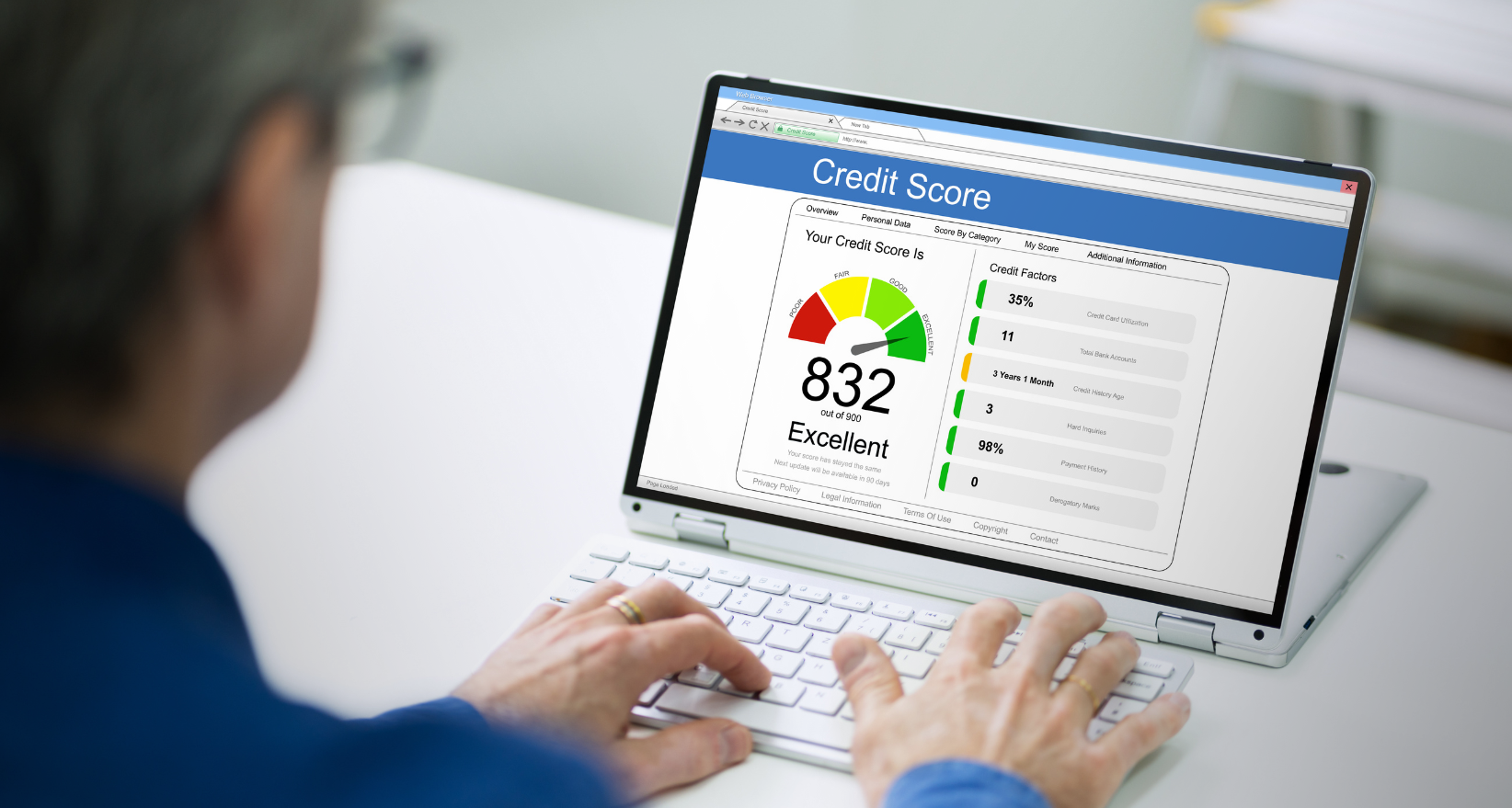

Credit scores play a vital role in your financial life, influencing loan approvals, interest rates, and even rental applications. However, many people are confused about how credit scores work due to myths and misinformation. Believing these myths can lead to poor financial decisions that harm your creditworthiness. Understanding the truth behind common credit score misconceptions is essential for managing your finances responsibly.
Myth 1: Checking Your Credit Score Lowers It
Many people avoid checking their own credit score because they believe it will harm their credit. This is false. Checking your own score is considered a soft inquiry and does not affect your credit rating. Only hard inquiries, such as applying for a new loan or credit card, can slightly lower your score temporarily. Regularly checking your credit report helps you monitor your financial health and detect errors or fraud early.
Myth 2: Closing Old Credit Cards Improves Your Score
Some people think that closing old credit cards will improve their credit score, but it can actually harm it. Closing accounts reduces your total available credit, increasing your credit utilization ratio, which is the percentage of credit you’re using compared to your total credit limit. Maintaining older accounts, even with minimal use, helps keep your utilization low and strengthens your credit history.
Myth 3: Paying Off a Loan Eliminates the Need to Monitor Credit
While paying off loans is positive, it doesn’t mean you should stop monitoring your credit. Your credit report reflects all credit activity, including past debts. Errors, identity theft, or reporting mistakes can still occur. Regularly reviewing your report ensures that your financial record remains accurate.
Myth 4: Carrying a Balance Improves Your Credit Score
Some believe that keeping a small balance on credit cards is necessary to build credit. In reality, paying your balance in full each month is the best practice. Carrying debt unnecessarily can increase interest costs and does not significantly benefit your score. Credit utilization and timely payments are more important factors than carrying a balance.
Myth 5: One Late Payment Ruins Your Credit Forever
While late payments do impact your credit score, one single late payment does not permanently destroy it. Its effect depends on your overall credit history and how promptly you correct it. Consistently making timely payments afterward can restore and even improve your credit score over time.
Myth 6: You Only Have One Credit Score
Many people assume they have a single credit score. In reality, there are multiple credit bureaus and scoring models, so your score may vary slightly depending on the bureau or model used. Understanding this helps you interpret scores correctly and prepare for lenders’ evaluations.
Tips to Maintain a Healthy Credit Score
-
Pay Bills on Time: Timely payments are the most significant factor affecting your credit score.
-
Keep Credit Utilization Low: Aim to use less than 30% of your total available credit.
-
Monitor Your Credit Report: Check your report regularly to detect errors or fraud.
-
Avoid Multiple Hard Inquiries: Limit new credit applications to necessary occasions.
-
Maintain Long-Term Accounts: Older accounts strengthen your credit history and boost your score.
Frequently Asked Questions
Can checking my credit score hurt me?
No, checking your own score is a soft inquiry and does not affect your credit rating.
Does paying off all my debt instantly raise my score?
It helps, but your score also depends on credit history, utilization, and other factors. Consistent management is key.
Is a higher income better for my credit score?
Not directly. Credit scores reflect repayment behavior and debt management, not income.
Do all lenders see the same credit score?
No. Different lenders may use different bureaus or scoring models, so scores can vary slightly.
Will one late payment ruin my chances for a loan?
Not necessarily. Its impact depends on your overall credit history. Demonstrating timely payments afterward can mitigate the effect.
Conclusion
Credit scores are essential for financial stability, but misconceptions can lead to poor decisions. By debunking common myths and focusing on responsible credit behavior, such as timely payments, low utilization, and monitoring your credit report, you can maintain a strong credit profile. Understanding the truth about credit scores empowers you to make informed financial decisions and secure better loan approvals, interest rates, and financial opportunities.