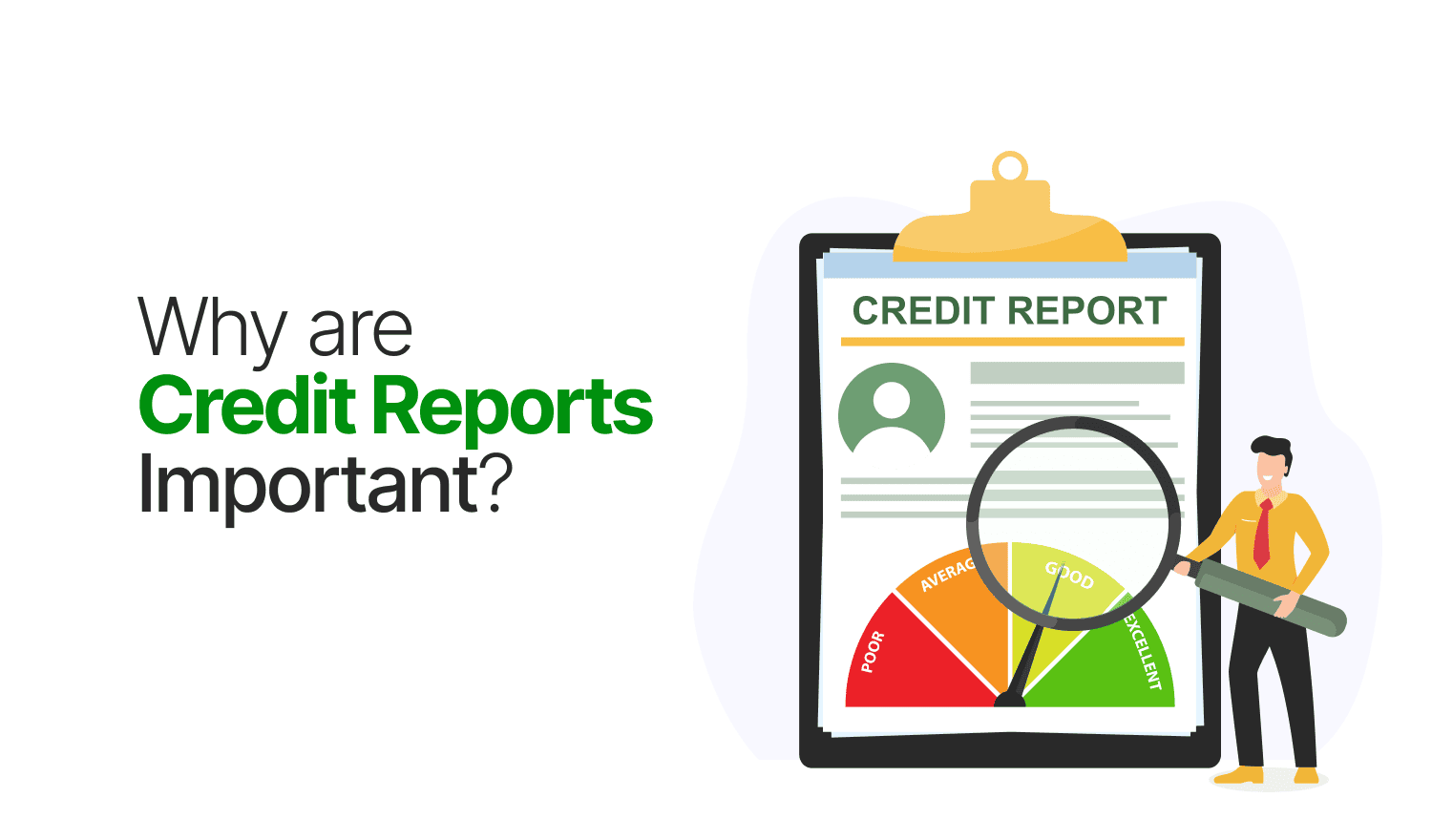

Your credit score is a critical number that influences your ability to borrow, qualify for credit cards, or secure favorable interest rates. One of the most damaging factors to a credit score is late payments. Whether it’s a credit card, personal loan, or any other type of credit, consistently missing or delaying payments can significantly impact your financial health. Understanding how late payments affect your credit score and how to avoid them is essential for maintaining a strong credit profile.
What Counts as a Late Payment?
A late payment occurs when you fail to pay at least the minimum required amount by the due date on your credit account. Even being a few days late can trigger late fees or penalties, but typically, lenders report late payments to credit bureaus when they are 30 days past due. Multiple late payments or chronic delays can have long-lasting effects on your credit score.
Immediate Consequences of Late Payments
The immediate consequences of late payments include:
-
Late Fees and Penalties: Lenders often charge fees for missed or delayed payments, increasing your debt burden.
-
Higher Interest Rates: Some lenders may increase your interest rates if payments are consistently late.
-
Negative Credit Report: Credit bureaus record late payments, which can lower your credit score and remain on your report for up to seven years.
How Late Payments Impact Your Credit Score
Your credit score is largely determined by your payment history, which accounts for about 35% of the total score calculation. A single late payment can reduce your score, while repeated late payments have a compounding effect. The longer a payment remains overdue, the more severely it impacts your creditworthiness.
Even if you pay the balance later, the late payment record remains visible on your credit report, signaling potential risk to future lenders.
Long-Term Effects of Late Payments
Chronic late payments can have several long-term consequences:
-
Difficulty in Getting Loans: Lenders may reject applications or offer loans at higher interest rates.
-
Reduced Credit Limit: Credit card issuers may reduce your available credit or freeze accounts.
-
Negative Impact on Other Financial Products: Rental applications, insurance premiums, and even employment checks may be affected in some regions.
-
Accumulated Debt: Late fees and increased interest can make it harder to pay down debt, leading to a cycle of financial stress.
Steps to Avoid Late Payments
-
Set Up Automatic Payments: Many banks allow auto-debit options to ensure your EMIs and bills are paid on time.
-
Use Payment Reminders: Calendar alerts, phone notifications, or banking app reminders can help you stay on track.
-
Pay at Least the Minimum: If you cannot pay the full amount, pay at least the minimum due to avoid severe penalties.
-
Budget Wisely: Plan monthly expenses to ensure funds are available for debt repayments before non-essential spending.
-
Communicate with Lenders: If you anticipate difficulties, contact your lender to explore deferment, restructuring, or flexible payment options.
Frequently Asked Questions
How long does a late payment stay on my credit report?
Typically, late payments remain on your credit report for up to seven years, even after the debt is repaid.
Can a single late payment significantly reduce my score?
Yes, especially if your credit history was previously strong. The impact varies depending on your overall credit profile.
Does paying late once permanently damage my score?
While it can reduce your score initially, consistent timely payments afterward can help rebuild your credit over time.
Do late payments affect all types of credit?
Yes, late payments on credit cards, personal loans, auto loans, and other financial products can impact your credit score.
Can I negotiate with my lender to avoid reporting a late payment?
Sometimes, especially if you have a good payment history. Contact your lender immediately and explain the situation—they may not report it or may mark it as “paid on time” in some cases.
Conclusion
Late payments are one of the most common yet damaging mistakes that can harm your credit score. They lead to fees, higher interest, and long-lasting negative marks on your credit report. By understanding the consequences and adopting proactive strategies like automatic payments, reminders, and budgeting, you can protect your credit score and maintain financial stability. Timely repayment is not just about avoiding penalties—it’s about building a strong credit profile for a secure financial future.