

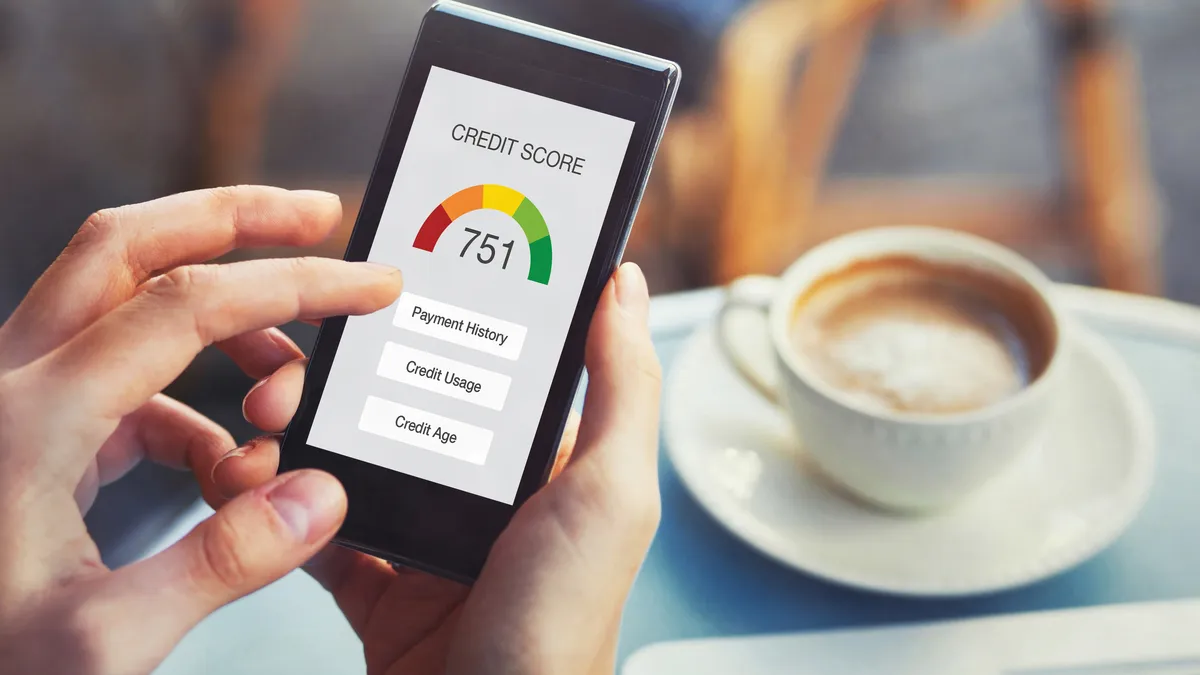

A credit report is one of the most important tools in your financial life. It provides a detailed record of your borrowing and repayment history and plays a crucial role in determining your credit score. Lenders, banks, and financial institutions rely on credit reports to assess your creditworthiness before approving loans, credit cards, or other financial products. Understanding how credit reports work and why they matter can help you make smarter financial decisions.
What Is a Credit Report?
A credit report is a detailed record of your credit history. It includes information about your current and past loans, credit cards, repayment history, outstanding balances, and any defaults or late payments. Credit bureaus compile this information from lenders, banks, and other financial institutions to create a comprehensive report of your credit behavior.
Key Components of a Credit Report
-
Personal Information: Name, date of birth, address, and identification numbers.
-
Credit Accounts: Details of loans, credit cards, and other credit facilities, including balances, limits, and payment history.
-
Credit Inquiries: Records of when lenders or you have requested your credit report.
-
Public Records: Bankruptcy, court judgments, or other legal financial issues.
-
Credit Score: While sometimes included separately, many reports provide your current credit score based on the information in the report.
Why Credit Reports Are Important
Your credit report matters because it provides a snapshot of your financial responsibility. Lenders use it to decide whether to approve your loan or credit card application and at what interest rate. A positive credit report can lead to lower interest rates, higher loan limits, and better financial opportunities.
Additionally, credit reports help you monitor your financial health. Regularly reviewing your report allows you to spot errors or fraudulent activity early and correct them before they negatively impact your credit score.
Benefits of Checking Your Credit Report
-
Identify Errors: Mistakes in your credit report can affect your score and borrowing ability. Correcting them ensures an accurate credit profile.
-
Prevent Fraud: Monitoring your report helps detect unauthorized loans or credit accounts opened in your name.
-
Plan for Loans: Knowing your credit report and score helps you understand your eligibility for loans or credit cards and prepare for applications.
-
Improve Financial Habits: Regular review encourages responsible borrowing and repayment practices.
How to Access Your Credit Report
Many countries have official credit bureaus that allow you to access your credit report for free once a year or more frequently. Additionally, many banks and fintech platforms provide free access to your credit report and score. When accessing your report, ensure you use official or trusted platforms to protect your personal information.
Common Mistakes to Avoid
-
Ignoring Your Report: Failing to review your report regularly can allow errors or fraudulent activity to go unnoticed.
-
Disputing Without Evidence: If you notice errors, provide proper documentation when requesting corrections to ensure successful resolution.
-
Applying for Too Many Loans: Multiple loan applications in a short time can result in hard inquiries, slightly lowering your score.
Tips to Maintain a Healthy Credit Report
-
Make timely payments on all credit accounts.
-
Keep credit card balances low and maintain a low credit utilization ratio.
-
Avoid closing old accounts unnecessarily.
-
Check your credit report regularly to ensure accuracy.
-
Limit new credit applications to when necessary.
Frequently Asked Questions
How often should I check my credit report?
It’s recommended to check your credit report at least once a year or more frequently if you are planning to apply for a major loan.
Can I get my credit report for free?
Yes, most official credit bureaus and many banks or fintech platforms provide free access to your credit report and score.
What should I do if I find an error in my report?
Contact the credit bureau immediately with supporting documentation to correct the error.
Does checking my own credit report affect my score?
No, checking your own report is considered a soft inquiry and does not impact your credit score.
Why is my credit report important for loans?
Lenders use your credit report to assess your repayment behavior, debt levels, and creditworthiness. A good report increases your chances of loan approval and lower interest rates.
Conclusion
Understanding credit reports is essential for maintaining financial health and making informed borrowing decisions. By regularly reviewing your report, correcting errors, and practicing responsible financial habits, you can improve your creditworthiness and gain access to better financial opportunities. A healthy credit report is not just a number; it’s a reflection of your financial discipline and a key to unlocking future financial success.