
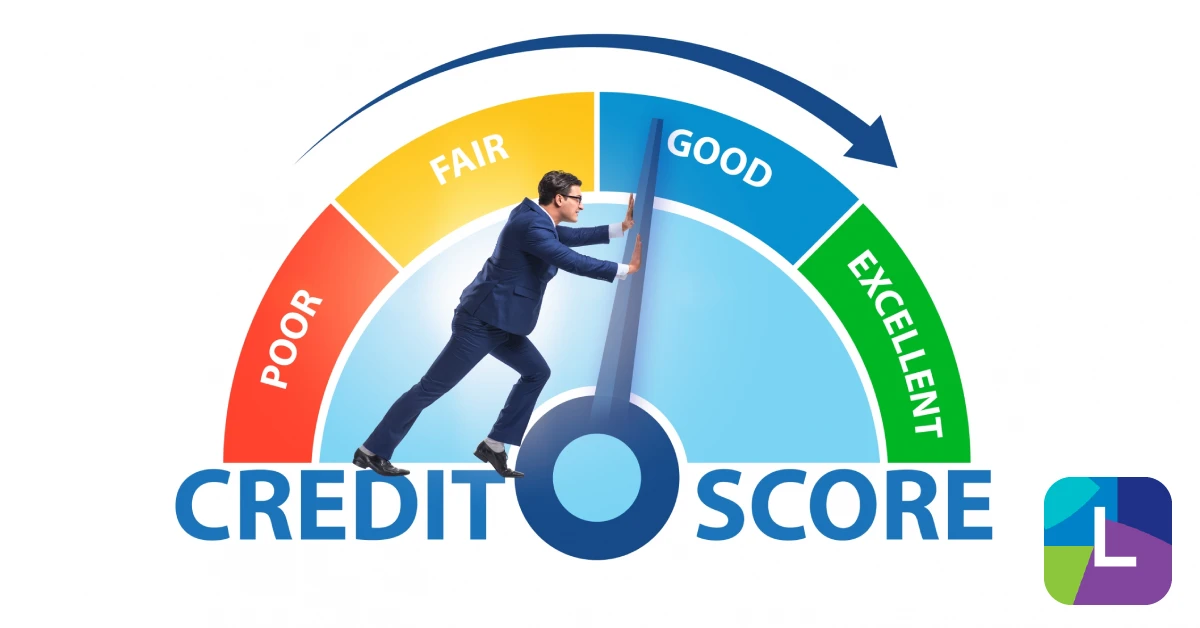

A good credit score is essential for financial health. It affects your ability to get loans, credit cards, favorable interest rates, and even rental approvals. If your credit score is lower than desired, improving it quickly can open doors to better financial opportunities. With strategic actions and disciplined financial habits, you can enhance your score in a relatively short time.
Understand What Affects Your Credit Score
Before taking steps to improve your credit score, it’s important to understand the factors that influence it:
-
Payment History: Timely payments on loans and credit cards are the most critical factor. Late payments can significantly lower your score.
-
Credit Utilization: The ratio of your credit card balances to your credit limits. Lower utilization shows responsible credit management.
-
Credit History Length: Longer credit histories tend to improve your score.
-
Credit Mix: A healthy combination of secured and unsecured credit strengthens your profile.
-
Recent Credit Activity: Multiple recent loan or card applications can temporarily reduce your score.
Knowing these factors helps you target the right strategies for quick improvement.
Pay Off Outstanding Debts
One of the fastest ways to improve your credit score is by reducing outstanding balances. Focus on paying off high-interest credit cards or loans first. Lowering your credit utilization ratio — ideally below 30% — signals responsible credit behavior to lenders and positively impacts your score.
If possible, make lump-sum payments toward your debts. Even small reductions in balances can show immediate improvement in your credit utilization ratio.
Make All Payments on Time
Late payments are among the most damaging factors to a credit score. Ensure that you pay all EMIs, credit card bills, and other dues on or before the due date. Setting up automatic payments or reminders can prevent accidental delays and keep your credit record clean.
Consistently making timely payments over a few months can result in noticeable improvements in your score.
Avoid Applying for Multiple Loans or Cards
Every loan or credit card application results in a hard inquiry on your credit report. Multiple inquiries within a short period can lower your score. To improve your credit quickly, limit new credit applications and focus on managing your existing debts responsibly.
Keep Old Accounts Open
Length of credit history positively affects your credit score. Avoid closing old credit cards, even if you don’t use them frequently. Maintaining older accounts helps increase your average account age and contributes to a higher credit score.
Diversify Your Credit Mix
A healthy mix of credit types — such as a personal loan, credit card, or auto loan — demonstrates your ability to manage different types of credit responsibly. If you have only one type of credit, consider diversifying cautiously without overextending yourself.
Monitor Your Credit Report
Regularly checking your credit report allows you to identify and correct errors that may be lowering your score. Look for discrepancies such as incorrect balances, duplicate accounts, or fraudulent activity, and dispute them with the credit bureau promptly.
Make Small, Strategic Payments
Even small, timely payments on your existing credit cards and loans can help improve your score. If you have multiple cards, consider paying down the ones with the highest balances first. Strategically managing payments ensures better credit utilization and positive payment history.
Frequently Asked Questions
How long does it take to improve a credit score?
Small improvements can be seen within a few months of consistent actions, but significant improvements may take six months to a year depending on your starting score.
Can paying off a loan quickly hurt my score?
No, paying off a loan responsibly generally helps your score. Only avoid closing accounts that are contributing positively to your credit history.
Do credit inquiries lower my score?
Yes, hard inquiries from new loan or credit card applications can lower your score slightly. Avoid multiple applications in a short period.
Does credit card utilization affect my score?
Yes, keeping your credit utilization below 30% is ideal for improving your score quickly.
Can I improve my score without taking a new loan?
Absolutely. Timely payments, reducing balances, monitoring your report, and maintaining old accounts can all improve your score without new credit.
Conclusion
Improving your credit score quickly requires focus, discipline, and strategic financial actions. By paying off debts, making timely payments, keeping old accounts open, managing credit utilization, and monitoring your credit report, you can achieve noticeable improvements in a short time. A higher credit score not only enhances your borrowing opportunities but also gives you greater financial stability and peace of mind.